
Yearly Archives: 2026

MBR vs. RBC: What to Consider When Choosing a Wastewater Treatment Technology

Choosing the right wastewater treatment technology affects not only treatment performance but also long-term operating costs. Membrane Bioreactor (MBR) and Rotating Biological Contactor (RBC) systems are two biological wastewater treatment technologies with different operating principles. While both provide effective treatment solutions, they differ significantly in energy consumption, maintenance requirements, and operational costs. How Do MBR and RBC Systems Work? MBR (Membrane Bioreactor) technology combines biological treatment with membrane filtration. Microorganisms break down organic pollutants, while membranes separate suspended solids and most microorganisms from

RBC vs. Activated Sludge: Energy Consumption and Operating Cost Comparison

When selecting a wastewater treatment technology, energy consumption and long-term operating costs are just as important as treatment performance. Rising electricity prices have made energy-efficient wastewater treatment systems increasingly valuable. Rotating Biological Contactor (RBC) and activated sludge systems are two widely used biological wastewater treatment technologies. While both rely on microorganisms to break down organic pollutants, they differ significantly in their operating principles and energy requirements. How Do RBC and Activated Sludge Systems Work? In activated sludge systems, microorganisms remain suspended in wastewater.

What Are the Different Wastewater Treatment Technologies and Where Are They Used?

Growing water demand, environmental regulations, and rising energy costs have made selecting the right wastewater treatment technology more important than ever. Different technologies are used to treat domestic and industrial wastewater, each offering specific advantages and applications. Choosing the right wastewater treatment system depends on wastewater characteristics, treatment capacity, energy consumption, and operational requirements. Main Wastewater Treatment Technologies 1. Activated Sludge Process The activated sludge process is a widely used biological wastewater treatment method in which microorganisms break down organic pollutants. Oxygen is supplied through

What Is a Rotating Biological Contactor (RBC) and How Does It Work?

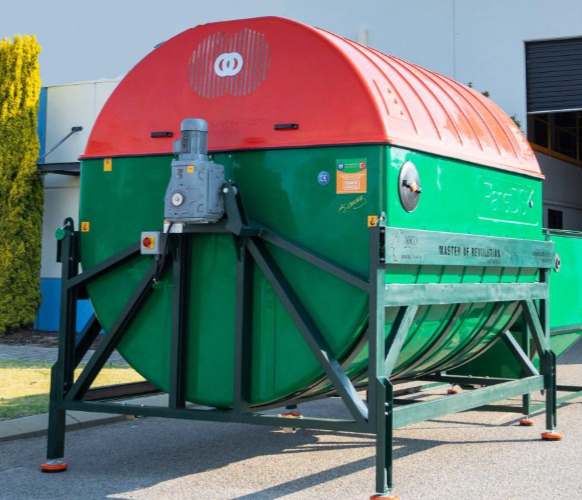
Rising energy costs and growing water scarcity have increased the demand for sustainable and cost-effective wastewater treatment technologies. Rotating Biological Contactor (RBC) technology stands out as an environmentally friendly biological wastewater treatment solution, offering low energy consumption, easy operation, and reliable treatment performance. What Is a Rotating Biological Contactor (RBC)? A Rotating Biological Contactor (RBC) is a biological wastewater treatment technology that uses microorganisms to remove organic pollutants from wastewater. Also known as biological disc technology, RBC is based on a fixed-film

Why Do Wastewater Treatment Plants Smell and How Is Odor-Free Treatment Possible?

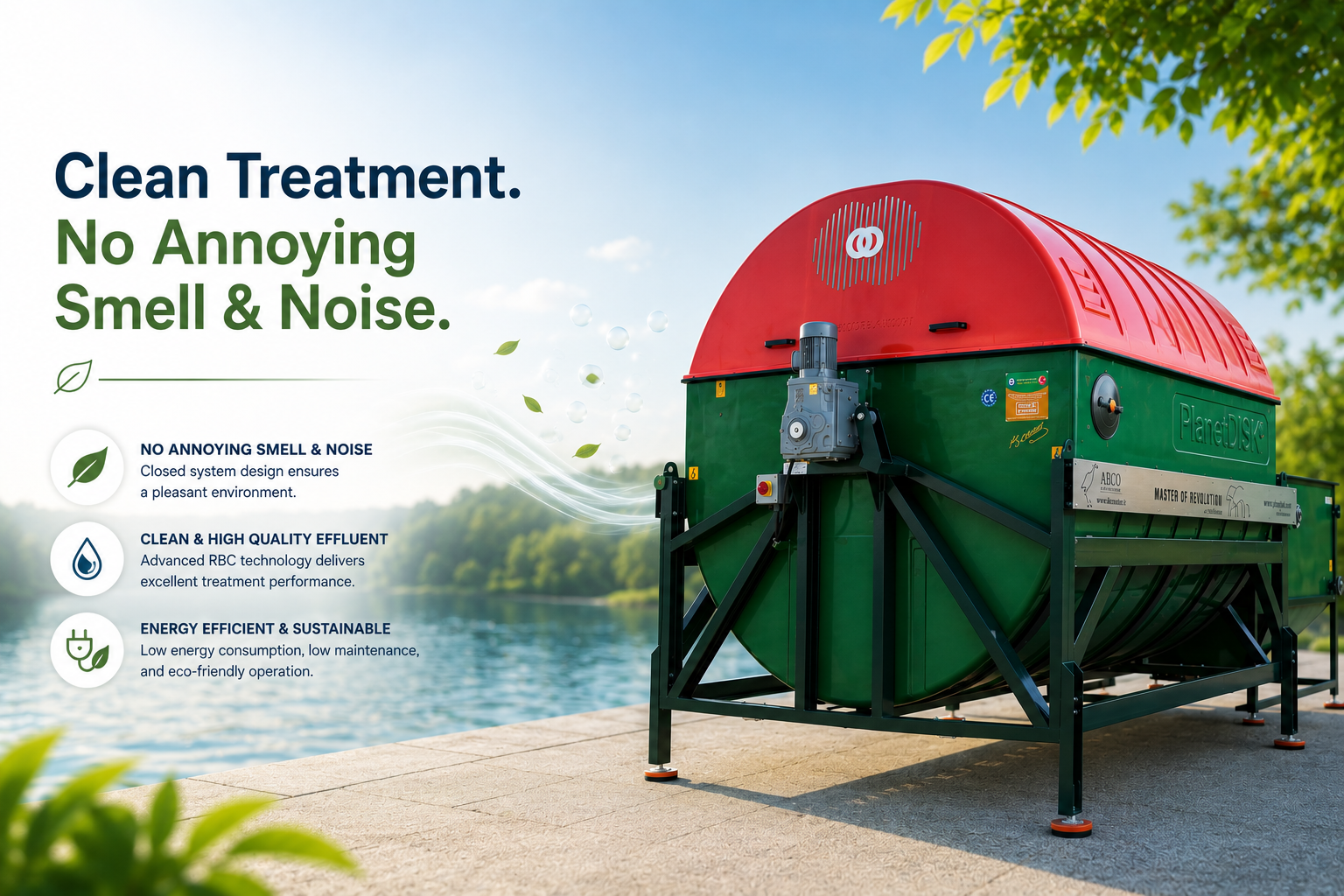
For most people considering wastewater treatment, the first worry is the same: “What if it smells?” For a plant near a hotel, a residential area, or a business, that’s a fair concern. The good news: odor is not inevitable. In this article, we explain why odor forms and how it is prevented. Where does wastewater odor come from? That sharp, rotten-egg smell in wastewater is actually the result of a chemical process. Microorganisms break down the organic matter in wastewater. This breakdown